




Data Centers in Anchorage: What Businesses Should Look for in a Reliable Hosting Partner
As businesses become more reliant on cloud applications, digital communications, and real-time data, dependable IT infrastructure is more important than ever. Whether you’re supporting remote employees, protecting sensitive information, or planning for future growth, can have a significant impact on your business.
Modern data centers do much more than store servers. Data Centers provide redundant power, connectivity, security, and cooling organizations need to keep critical systems running around the clock.
Key Takeaways
- Anchorage data centers provide secure, reliable infrastructure for businesses of all sizes.
- Features like redundant power, physical security, and disaster recovery help minimize downtime.
- Local hosting and co-location services can improve performance while simplifying IT infrastructure management.
Why Businesses Choose Data Centers in Anchorage
For many organizations, maintaining on-site servers is becoming increasingly difficult. Hardware requires ongoing maintenance, security risks continue to evolve, and business growth often demands greater flexibility than an in-house server room can provide.
Professional data center hosting offers an alternative by placing mission-critical infrastructure in a purpose-built environment designed for reliability, security, and performance.
For businesses operating across Alaska, a local Anchorage data center also provides the advantage of working with a provider that understands regional connectivity, infrastructure, and support needs.
What Makes a Modern Data Center Reliable?
Not all facilities offer the same level of service. Businesses should look for data centers that provide the infrastructure needed to support continuous operations.
Reliable Power and Cooling
Servers require uninterrupted power and carefully controlled operating conditions. Quality data centers include backup power supplies, battery backups, redundant generators, and advanced cooling systems that protect equipment during planned maintenance or unexpected outages.
These systems work together to maximize uptime and help maintain operational integrity.
High-Speed Network Connectivity
Connectivity is just as important as power. Reliable data centers provide redundant backbone transport, low-latency connectivity, and robust network infrastructure to keep applications, websites, and business systems accessible. Dedicated Internet Access (DIA), IP Transit, BGP peering and other enterprise connectivity options can further improve performance for organizations with demanding workloads.
Physical and Cybersecurity
Protecting critical infrastructure requires multiple layers of data security. Modern facilities often include:
- Surveillance systems and facility security monitoring
- Data encryption and network security protocols
- Managed cybersecurity services to help defend against evolving threats
- Compliance with industry and global security standards
Together, these physical and digital safeguards help protect sensitive business data while supporting day-to-day operations.
Hosting and Co-location Options
Every business has different IT requirements, which is why many Anchorage data centers offer multiple service models.
Data Center Hosting
Hosted infrastructure allows organizations to run applications and services without maintaining their own server environment. Businesses benefit from professional monitoring, reliable connectivity, and secure infrastructure while reducing the burden of managing physical equipment.
Hosting can support everything from business applications to cloud solutions and high-performance servers.
Co-location Services
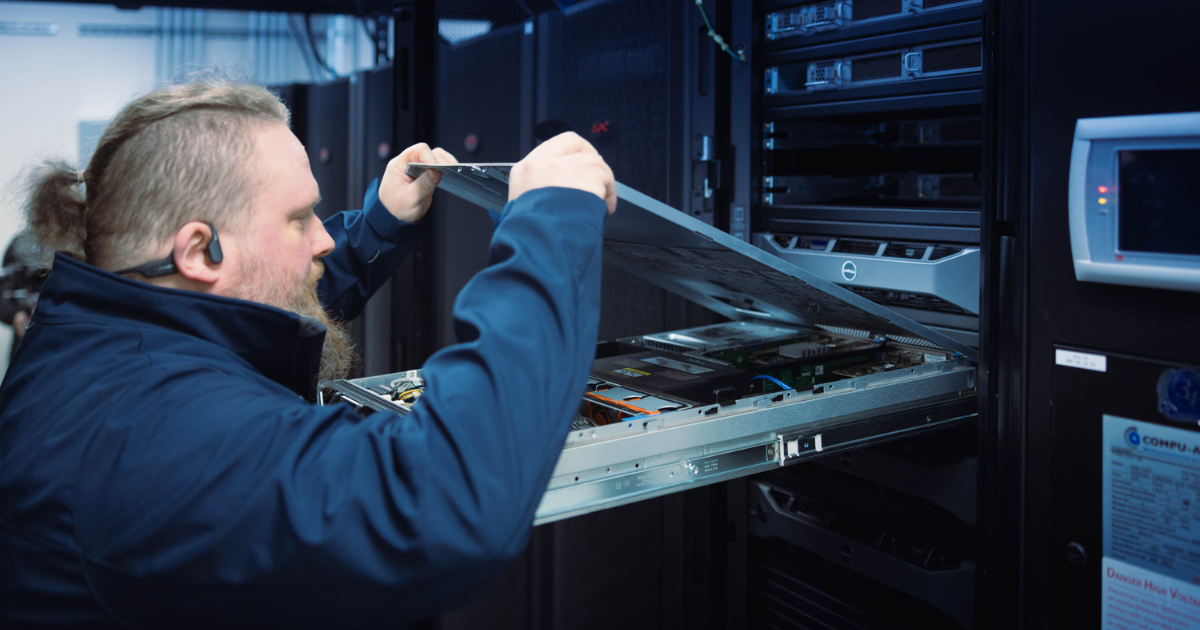
Co-location allows businesses to place their own computing hardware inside a professionally managed data center. Organizations maintain ownership of their servers while taking advantage of enterprise-grade power, cooling, physical security, and network connectivity that would often be cost-prohibitive to build internally.
For businesses with existing hardware investments, co-location provides a practical path to improving reliability without replacing infrastructure.
Supporting Business Growth
As organizations expand, their technology needs change. A modern data center provides the flexibility and scalability to support growth without requiring a complete infrastructure overhaul. Businesses can adjust computing resources, expand storage capacity, or support a multi-location presence while maintaining consistent performance.
Many organizations also use virtual data centers and cloud-based data center services to quickly deploy new applications or support remote work environments.
Having scalable infrastructure allows IT teams to focus less on hardware limitations and more on supporting business objectives.
Disaster Recovery and Business Continuity
Unexpected disruptions can happen at any time, whether caused by equipment failures, cyberattacks, or natural events.
A professionally managed data center helps organizations prepare for these situations through disaster recovery solutions designed to protect both systems and data.
Key capabilities often include:
- Multiple layers of redundancy
- Environmental monitoring
- Fire protection systems
- Backup technologies
- High availability infrastructure
Together, these features improve data integrity, reduce downtime, and support business continuity when unexpected events occur.
Simplifying IT Infrastructure Management
Managing servers, networking equipment, and facility infrastructure internally requires significant time and resources. Many organizations are turning to professional hosting providers that use advanced infrastructure monitoring and management tools, often referred to as Data Center Infrastructure Management (DCIM) platforms. DCIM tools help monitor power consumption, resource optimization, space management, server maintenance, and overall infrastructure performance.
With experienced teams managing the facility, businesses can focus on strategic initiatives instead of day-to-day infrastructure management.
Choose a Local Partner You Can Trust
When evaluating data centers Anchorage, technology is only part of the equation. Businesses also benefit from working with a local provider that understands Alaska’s unique operating environment and offers responsive support when it’s needed most.
Alasconnect’s data center hosting services provide secure server hosting and co-location solutions backed by robust infrastructure, reliable network connectivity, and local expertise. Whether you’re looking to strengthen disaster recovery, improve application performance, or relocate critical IT infrastructure, Alasconnect delivers the secure, dependable environment your business needs to operate with confidence.
FAQs
What is the difference between data center hosting and co-location?
Data center hosting provides servers and infrastructure managed by the hosting provider, while co-location allows businesses to place and manage their own equipment inside a secure data center facility.
Why should businesses use a data center in Anchorage?
Anchorage data centers offer reliable connectivity, secure infrastructure, redundant power, and local support that help businesses improve uptime, strengthen cybersecurity, and simplify IT infrastructure management.
How do data centers support disaster recovery?
Professional data centers use redundant power systems, backups, environmental monitoring, fire protection, and disaster recovery solutions to help protect critical systems and minimize downtime during unexpected events.